Buy shapewear.eu ?
We are moving the project
shapewear.eu .
Are you interested in purchasing the domain
shapewear.eu ?
domain@kv-gmbh.de · 0541-91531010
Buy shapewear.eu ?
Unicellular species
Unicellular species are organisms that consist of a single cell, as opposed to multicellular organisms that are made up of multiple cells. These single-celled organisms can carry out all the necessary functions for life within that one cell, including obtaining nutrients, reproducing, and responding to their environment. Examples of unicellular species include bacteria, archaea, protists, and some types of algae. Despite their simple structure, unicellular species play important roles in various ecosystems and can have significant impacts on the environment. **
'Unicellular species'
Unicellular species are organisms that consist of only a single cell. These organisms carry out all of the necessary functions for life within this single cell, including obtaining nutrients, reproducing, and responding to their environment. Examples of unicellular species include bacteria, archaea, and protists. Despite being simple in structure, unicellular species can be highly diverse and have adapted to thrive in a wide range of environments. **


Similar search terms for Unicellular
Top-Angebote
Products related to Unicellular:
-
Plus Size Women's Lace Balconette Bra Contouring Floral Underwire Mesh Stretch Supportive by Avenue Body in Black (Size 40 B)Meet your new lingerie go-to in the seductively comfortable Lace Balconette Bra! Contouring and lifting your curves with structured support and mesh lining, this laced bra is both sexy and comfortable!Key Features Include:- Soft concealed underwire...29,99 $*Shipping: 0,00 $Secure redirect to the provider
-
Uplifted Goods Flexible Compression Hydration Flask blue 17 OzStreamline your energy and fluid intake during high intensity movement with this Collapsible TPU Performance Vessel. Engineered with a BiteActivated Leak Proof Shield and a specialized softframe construction, these flasks are designed to provide a...49,97 $*Shipping: 0,00 $Secure redirect to the provider
-
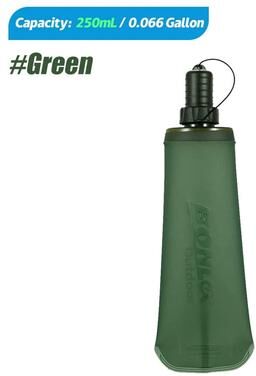
Uplifted Goods Flexible Compression Hydration Flask green 8.5 OzStreamline your energy and fluid intake during high intensity movement with this Collapsible TPU Performance Vessel. Engineered with a BiteActivated Leak Proof Shield and a specialized softframe construction, these flasks are designed to provide a...39,97 $*Shipping: 0,00 $Secure redirect to the provider
-
Uplifted Goods Flexible Compression Hydration Flask green 17 OzStreamline your energy and fluid intake during high intensity movement with this Collapsible TPU Performance Vessel. Engineered with a BiteActivated Leak Proof Shield and a specialized softframe construction, these flasks are designed to provide a...49,97 $*Shipping: 0,00 $Secure redirect to the provider



-
Are plants unicellular or multicellular?
Plants are multicellular organisms. **
-
What are eukaryotic unicellular organisms?
Eukaryotic unicellular organisms are single-celled organisms that have a true nucleus enclosed within a membrane. They belong to the domain Eukarya and can be found in various environments such as water, soil, and even inside other organisms. Examples of eukaryotic unicellular organisms include protists like amoebas, paramecia, and algae. These organisms can carry out all the necessary functions for life within a single cell. **
-
What are unicellular and multicellular organisms?
Unicellular organisms are living things that are made up of only one cell. This means that all of their life processes, such as obtaining nutrients, reproducing, and responding to their environment, occur within a single cell. Examples of unicellular organisms include bacteria, protozoa, and some types of algae. On the other hand, multicellular organisms are made up of more than one cell. These cells are specialized to perform different functions within the organism, such as muscle cells for movement, nerve cells for communication, and skin cells for protection. Multicellular organisms include plants, animals, and fungi. The cells in multicellular organisms work together to support the overall function and survival of the organism. **
-
What were the non-organic first living organisms - unicellular organisms, if we consider paramecia and amoebas as the first unicellular organisms?
The non-organic first living organisms were likely simple organic molecules that formed through chemical reactions in the early Earth's environment. These molecules eventually combined to form the first unicellular organisms, such as paramecia and amoebas. These unicellular organisms were likely the result of a gradual process of chemical evolution, where simple organic molecules organized themselves into more complex structures capable of exhibiting life-like properties. This process eventually led to the emergence of the first living organisms on Earth. **


What are the differences between unicellular and multicellular organisms?
Unicellular organisms are made up of a single cell, while multicellular organisms are made up of multiple cells. Unicellular organisms carry out all life processes within a single cell, while multicellular organisms have specialized cells that perform specific functions. Multicellular organisms have a higher level of organization and complexity compared to unicellular organisms. Additionally, multicellular organisms have a division of labor among cells, allowing for more efficient functioning and larger size. **
How did the unicellular organism evolve into a multicellular organism?
The evolution of unicellular organisms into multicellular organisms is believed to have occurred through a process called coloniality. Initially, unicellular organisms formed colonies where individual cells worked together for survival. Over time, some cells within these colonies specialized in specific functions, leading to the development of multicellular organisms with different cell types. This specialization allowed for more complex structures and functions, ultimately leading to the evolution of multicellular organisms. **
Top-Angebote
Products related to Unicellular:
-
IGIA Ultra Tone Face & Body Microcurrent Toning and Sculpting by BrylaneHome in WhiteWhy You'll Love It Helps create a more sculpted, defined appearance by supporting natural facial muscle toning.Promotes firmer-looking skin and improved elasticity for a refreshed, youthful look.Helps minimize the appearance of fine lines, wrinkles,...34,99 $*Shipping: 13,98 $Secure redirect to the provider
-
Uplifted Goods Flexible Compression Hydration Flask blue 8.5 OzStreamline your energy and fluid intake during high intensity movement with this Collapsible TPU Performance Vessel. Engineered with a BiteActivated Leak Proof Shield and a specialized softframe construction, these flasks are designed to provide a...39,97 $*Shipping: 0,00 $Secure redirect to the provider
-
Plus Size Women's Lace Balconette Bra Contouring Floral Underwire Mesh Stretch Supportive by Avenue Body in Black (Size 40 B)Meet your new lingerie go-to in the seductively comfortable Lace Balconette Bra! Contouring and lifting your curves with structured support and mesh lining, this laced bra is both sexy and comfortable!Key Features Include:- Soft concealed underwire...29,99 $*Shipping: 0,00 $Secure redirect to the provider
-
Uplifted Goods Flexible Compression Hydration Flask blue 17 OzStreamline your energy and fluid intake during high intensity movement with this Collapsible TPU Performance Vessel. Engineered with a BiteActivated Leak Proof Shield and a specialized softframe construction, these flasks are designed to provide a...49,97 $*Shipping: 0,00 $Secure redirect to the provider
-
Unicellular species
Unicellular species are organisms that consist of a single cell, as opposed to multicellular organisms that are made up of multiple cells. These single-celled organisms can carry out all the necessary functions for life within that one cell, including obtaining nutrients, reproducing, and responding to their environment. Examples of unicellular species include bacteria, archaea, protists, and some types of algae. Despite their simple structure, unicellular species play important roles in various ecosystems and can have significant impacts on the environment. **
-
'Unicellular species'
Unicellular species are organisms that consist of only a single cell. These organisms carry out all of the necessary functions for life within this single cell, including obtaining nutrients, reproducing, and responding to their environment. Examples of unicellular species include bacteria, archaea, and protists. Despite being simple in structure, unicellular species can be highly diverse and have adapted to thrive in a wide range of environments. **
-
Are plants unicellular or multicellular?
Plants are multicellular organisms. **
-
What are eukaryotic unicellular organisms?
Eukaryotic unicellular organisms are single-celled organisms that have a true nucleus enclosed within a membrane. They belong to the domain Eukarya and can be found in various environments such as water, soil, and even inside other organisms. Examples of eukaryotic unicellular organisms include protists like amoebas, paramecia, and algae. These organisms can carry out all the necessary functions for life within a single cell. **
Similar search terms for Unicellular
-
Uplifted Goods Flexible Compression Hydration Flask green 8.5 OzStreamline your energy and fluid intake during high intensity movement with this Collapsible TPU Performance Vessel. Engineered with a BiteActivated Leak Proof Shield and a specialized softframe construction, these flasks are designed to provide a...39,97 $*Shipping: 0,00 $Secure redirect to the provider
-
Uplifted Goods Flexible Compression Hydration Flask green 17 OzStreamline your energy and fluid intake during high intensity movement with this Collapsible TPU Performance Vessel. Engineered with a BiteActivated Leak Proof Shield and a specialized softframe construction, these flasks are designed to provide a...49,97 $*Shipping: 0,00 $Secure redirect to the provider
-
Plus Size Women's Lace Balconette Bra Contouring Floral Underwire Mesh Stretch Supportive by Avenue Body in Black (Size 40 C)Meet your new lingerie go-to in the seductively comfortable Lace Balconette Bra! Contouring and lifting your curves with structured support and mesh lining, this laced bra is both sexy and comfortable!Key Features Include:- Soft concealed underwire...29,99 $*Shipping: 0,00 $Secure redirect to the provider
-
Plus Size Women's Lace Balconette Bra Contouring Floral Underwire Mesh Stretch Supportive by Avenue Body in Black (Size 40 D)Meet your new lingerie go-to in the seductively comfortable Lace Balconette Bra! Contouring and lifting your curves with structured support and mesh lining, this laced bra is both sexy and comfortable!Key Features Include:- Soft concealed underwire...35,99 $*Shipping: 0,00 $Secure redirect to the provider
-
What are unicellular and multicellular organisms?
Unicellular organisms are living things that are made up of only one cell. This means that all of their life processes, such as obtaining nutrients, reproducing, and responding to their environment, occur within a single cell. Examples of unicellular organisms include bacteria, protozoa, and some types of algae. On the other hand, multicellular organisms are made up of more than one cell. These cells are specialized to perform different functions within the organism, such as muscle cells for movement, nerve cells for communication, and skin cells for protection. Multicellular organisms include plants, animals, and fungi. The cells in multicellular organisms work together to support the overall function and survival of the organism. **
-
What were the non-organic first living organisms - unicellular organisms, if we consider paramecia and amoebas as the first unicellular organisms?
The non-organic first living organisms were likely simple organic molecules that formed through chemical reactions in the early Earth's environment. These molecules eventually combined to form the first unicellular organisms, such as paramecia and amoebas. These unicellular organisms were likely the result of a gradual process of chemical evolution, where simple organic molecules organized themselves into more complex structures capable of exhibiting life-like properties. This process eventually led to the emergence of the first living organisms on Earth. **
-
What are the differences between unicellular and multicellular organisms?
Unicellular organisms are made up of a single cell, while multicellular organisms are made up of multiple cells. Unicellular organisms carry out all life processes within a single cell, while multicellular organisms have specialized cells that perform specific functions. Multicellular organisms have a higher level of organization and complexity compared to unicellular organisms. Additionally, multicellular organisms have a division of labor among cells, allowing for more efficient functioning and larger size. **
-
How did the unicellular organism evolve into a multicellular organism?
The evolution of unicellular organisms into multicellular organisms is believed to have occurred through a process called coloniality. Initially, unicellular organisms formed colonies where individual cells worked together for survival. Over time, some cells within these colonies specialized in specific functions, leading to the development of multicellular organisms with different cell types. This specialization allowed for more complex structures and functions, ultimately leading to the evolution of multicellular organisms. **
* All prices are inclusive of VAT and, if applicable, plus shipping costs. The offer information is based on the details provided by the respective shop and is updated through automated processes. Real-time updates do not occur, so deviations can occur in individual cases. ** Note: Parts of this content were created by AI.